The Sambalpuri-speaking population primarily resides in the western region of Odisha, encompassing various districts from Kalagandi in the east to Sundarkar in the northwest. This demographic includes the districts of Palangir, Bargar, Bod, Diyokar, Jar Suguda, Nivada, Sambalpuri, Sonipur, and Sundarkar. Historically, prior to the fifth century, this region was referred to as Thachchi Kosal. The Sambalpuri community thrives in this area, characterized by a rich tapestry of cultural practices. In 1860, to mitigate disruptions, the Sambalpuri language was temporarily classified under the Odisha branch of Bengal. Approximately 1.5 crore Sambalpuri individuals inhabit the aforementioned ten districts.
Food Habits of Sambalpuri People:
Sambalpuri food habits are rooted in the rich culinary traditions of Odisha, with rice as the staple, complemented by various lentil dishes, seafood, and seasonal vegetables, often featuring mustard paste or panch phoron.
Occupation of Sambalpuri People:
The people of Sambalpur are engaged in a variety of occupations, with a strong reliance on agriculture, forest products, and trade, along with some industrial activities like weaving and metalworking.
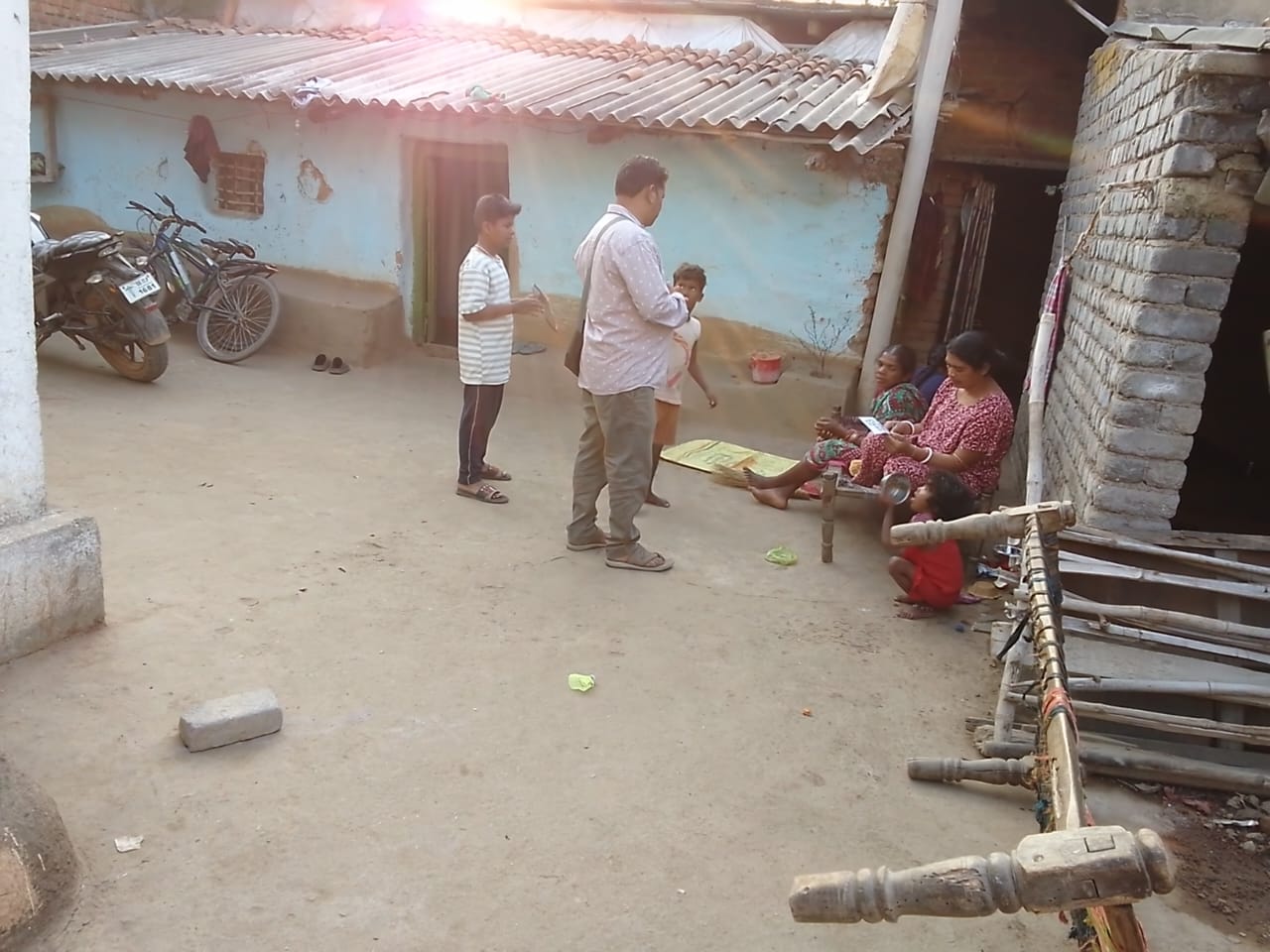
Sambalpuri culture is deeply rooted in the rural lifestyle and ancient traditions of the people living in and around the Sambalpur district of Odisha. It is a culture that values simplicity, nature, and community spirit. The region is known for its rich folklore, music, dance forms, and rituals that celebrate the agricultural cycles and significant life events. Sambalpuri culture exemplifies the harmonious coexistence between human beings and nature, with a profound respect for the environment and its resources. The key festivals celebrated by the Sambalpuri people include Nuvakkai, Kandikayi, BayiGindia, Bojindia, Boospurauvans, Siththalsaasthi, and Danu Yatra. Sambalpuri wedding practices, rooted in the rich traditions of Odisha, involve rituals like Mehendi, Haldi, Ganapati Puja, Tilak, Pada Puja, and the exchange of garlands, culminating in the Saptapadi (seven vows) and Sindoor Daan.
Education and Christianity:
Literacy rate is 87%
Christina population is 2-3%
IBT Translation Ministry among Sambalpuri People
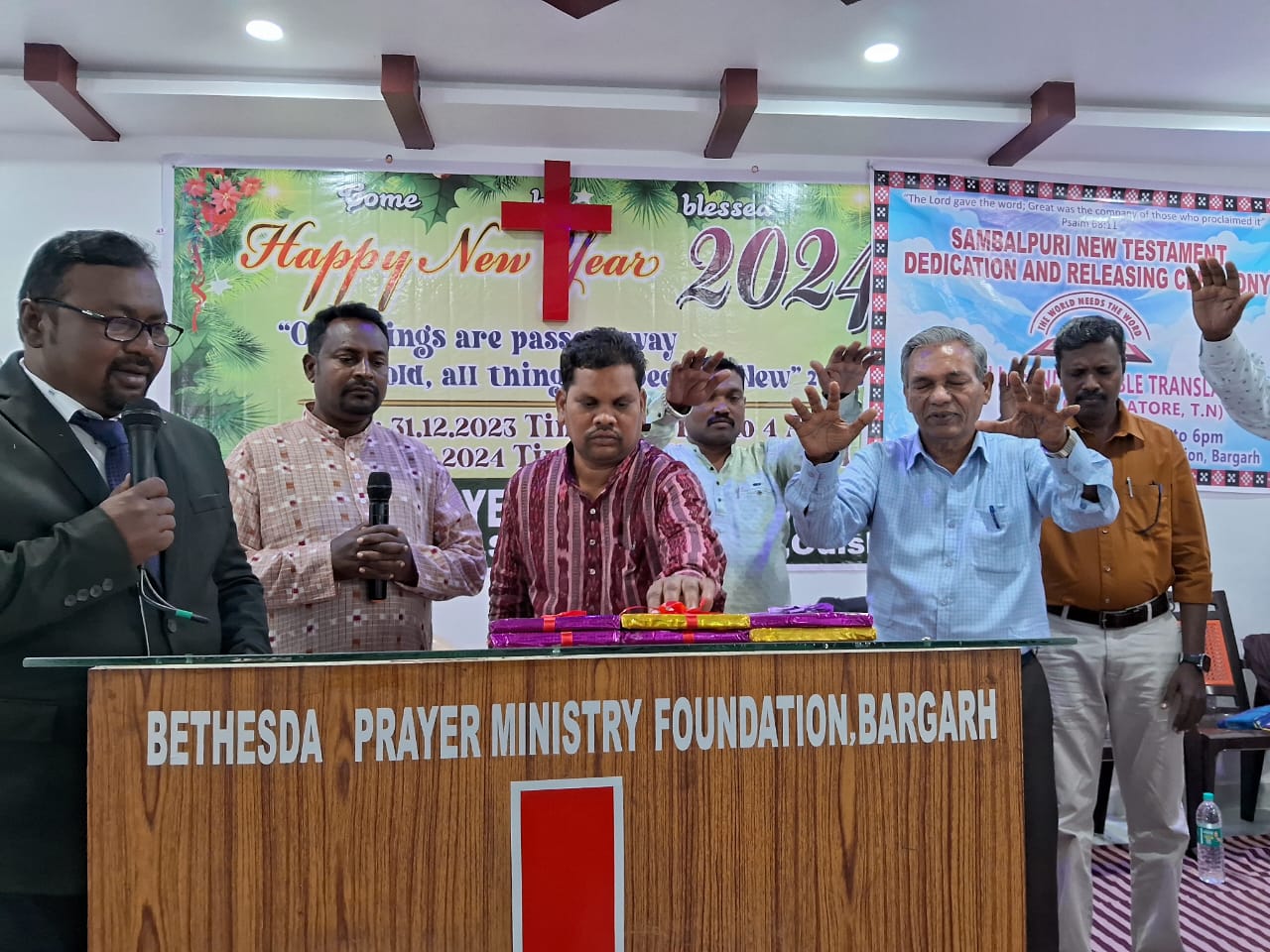
Rev. Prof. Panneer Selvam’s vision for translating the Bible and giving it into the hands of the Sambalpuri people started with selecting the Sambalpuri Bible Translator Bro. Sukdev. The translation training was given to him. Later, Mr. Jayanth Panigrahi also joined as a translator. Currently, the translation of Psalms and Proverbs is in the progress, and it is proposed to be released in 2028.
IBT Publications:
In the year 2005, Gospel of Mark was released.
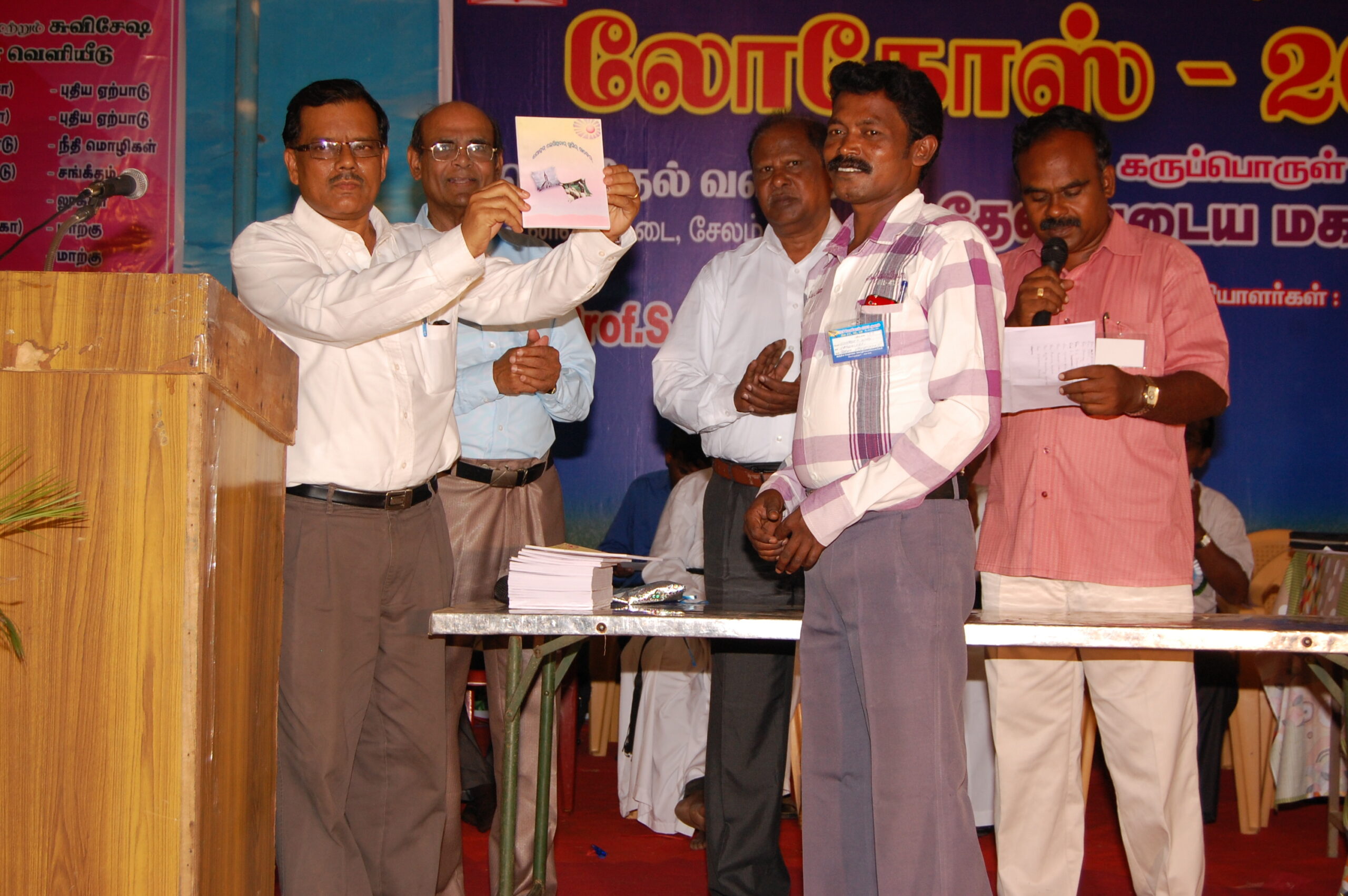
In the year 2013 May18th, Gospel of John was released by Rev. Premrajnag (B.S.I) and the first copy was received by Sambalpuri translator Bro. Sukdev.
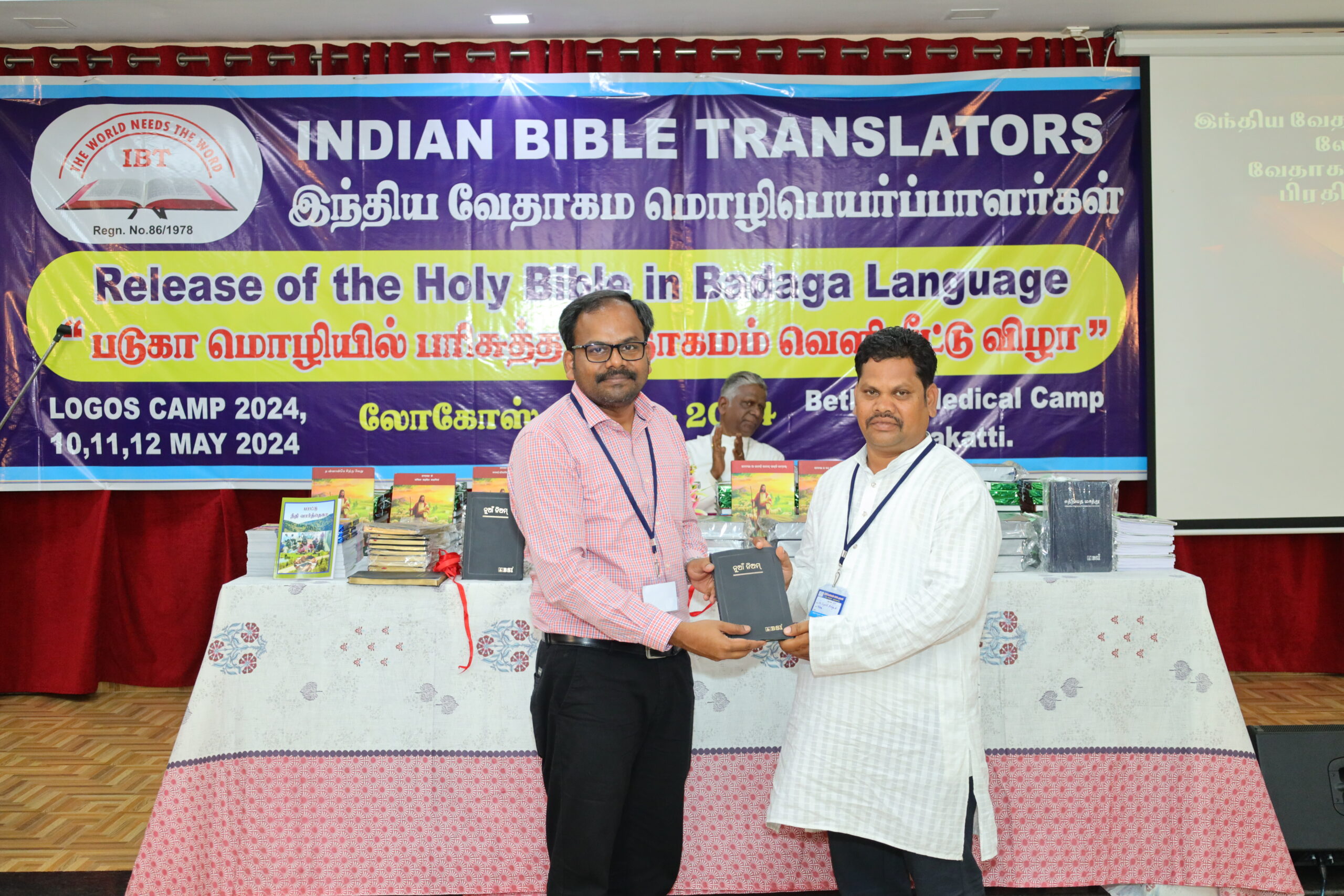
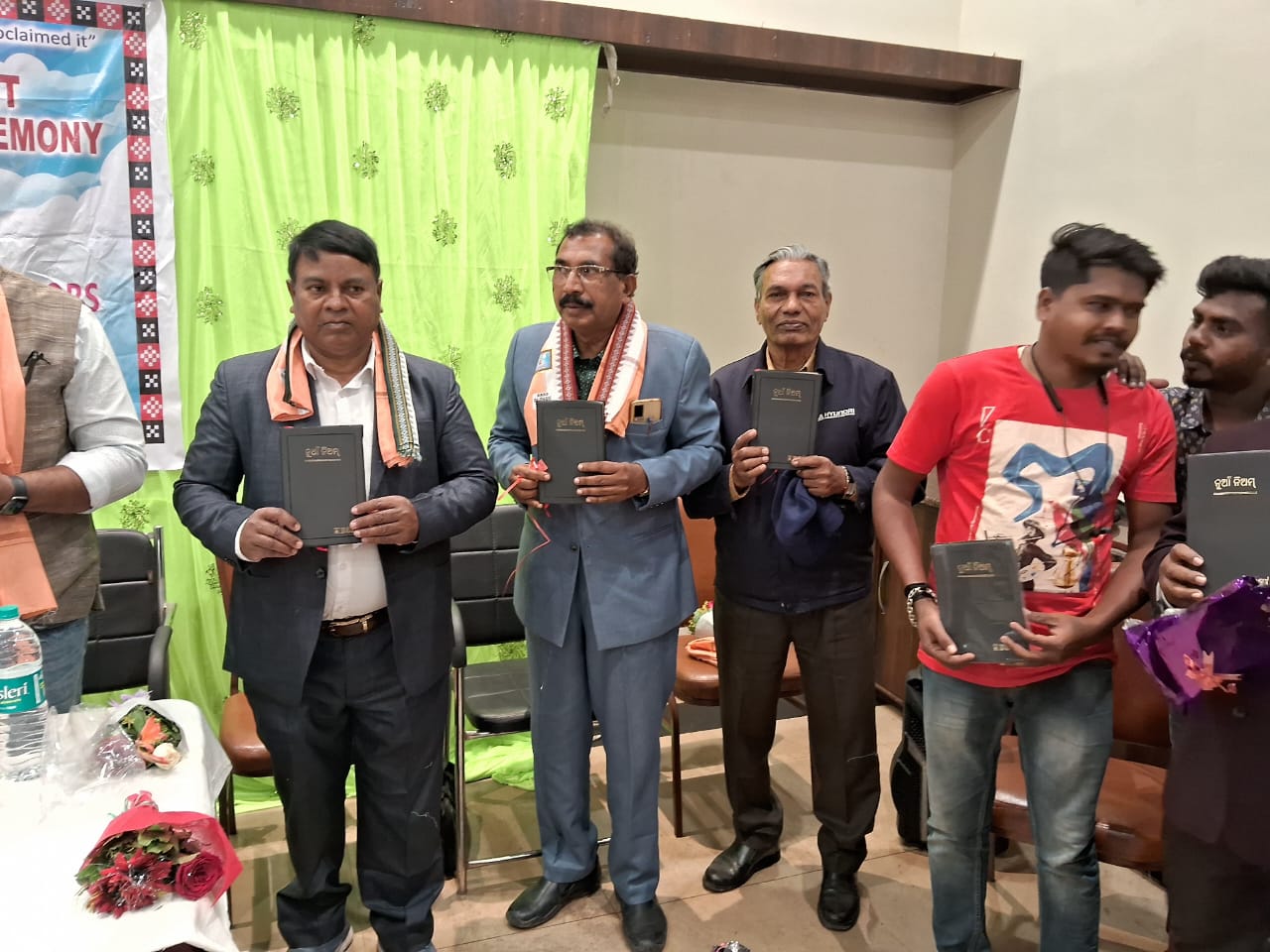
In the year 2024 on 11th May, New Testament was released by Bro. Richard Devaraj in Logos camp 2024 at Anaikatti, Coimbatore.